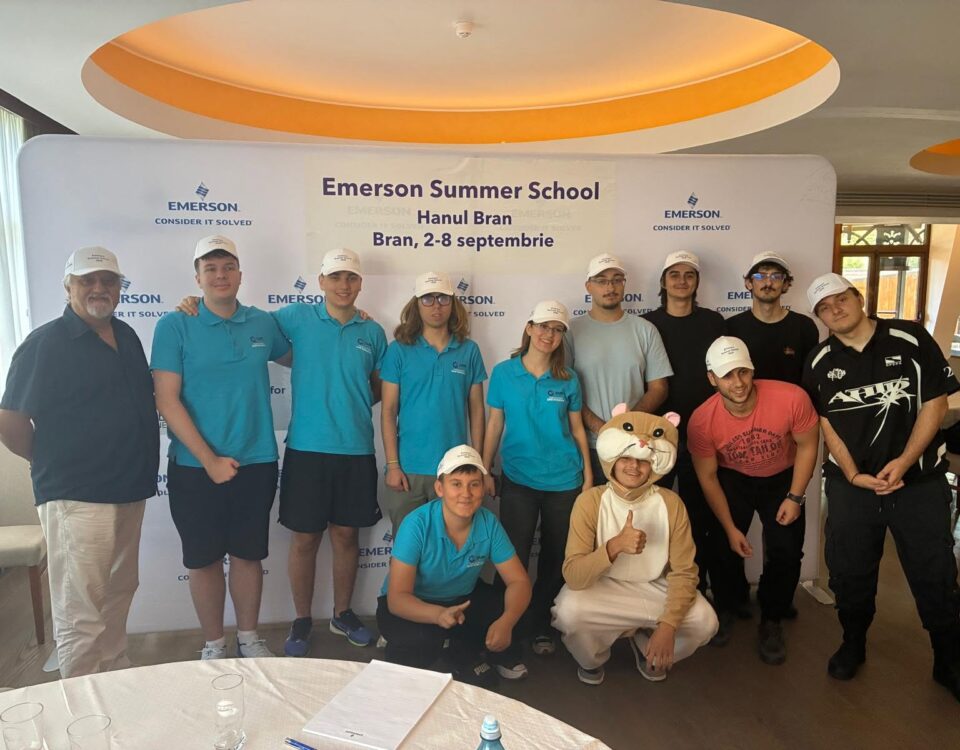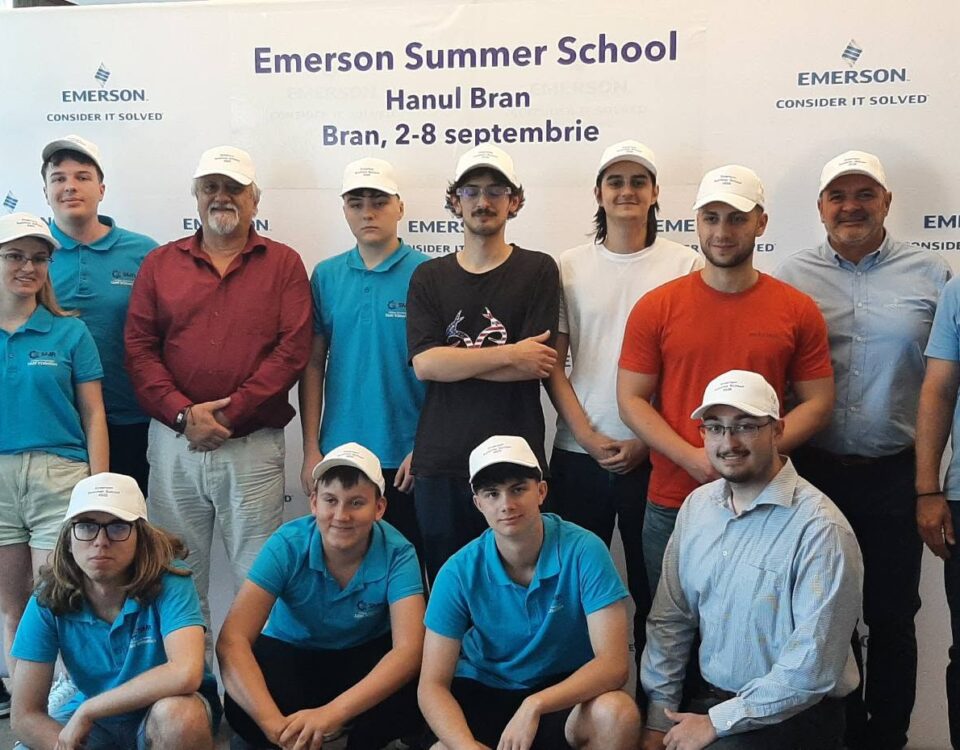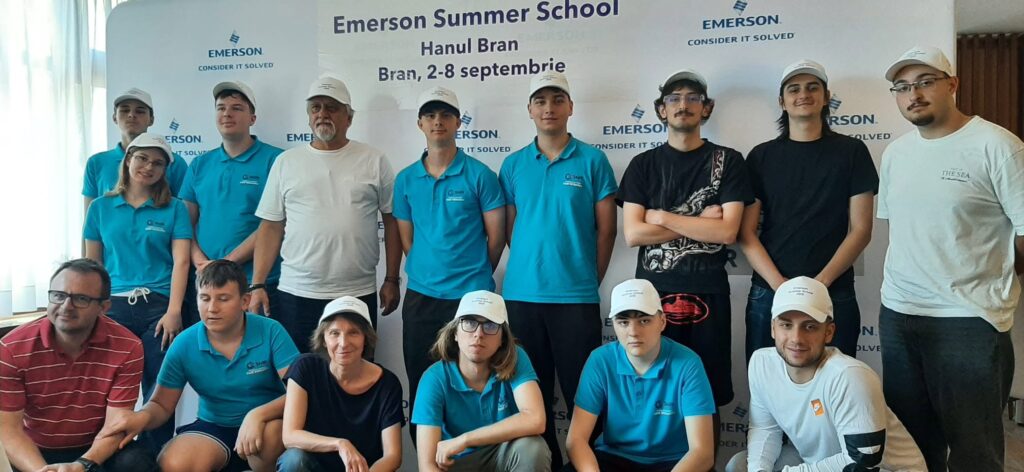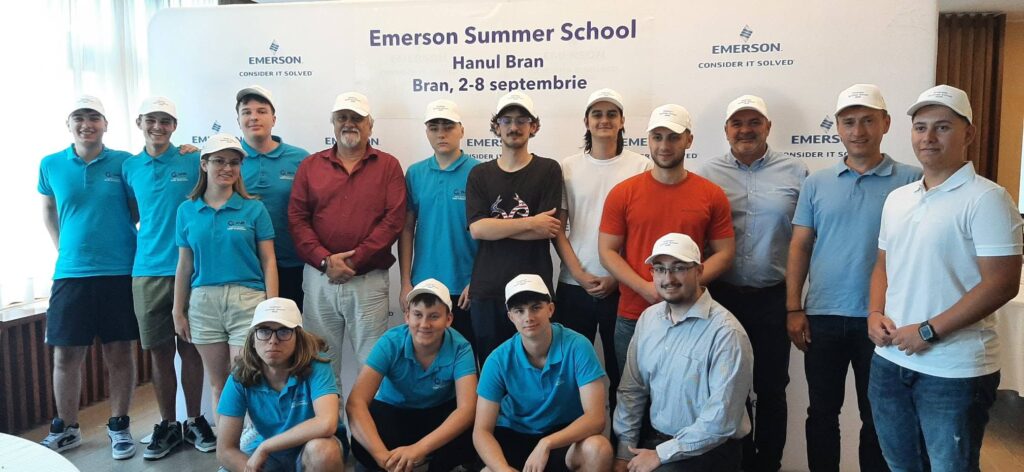
Emerson Summer School-Leadership and constructive communication, with Tibi Borza and Bogdan Popescu

Emerson Summer School-Professional expertise and more with Florin Bobea and Robert Pieptan
September 9, 2026
Emerson Summer School-Where do songs start, and how to express through music, by Cătălin Marius Blîndu
September 10, 2026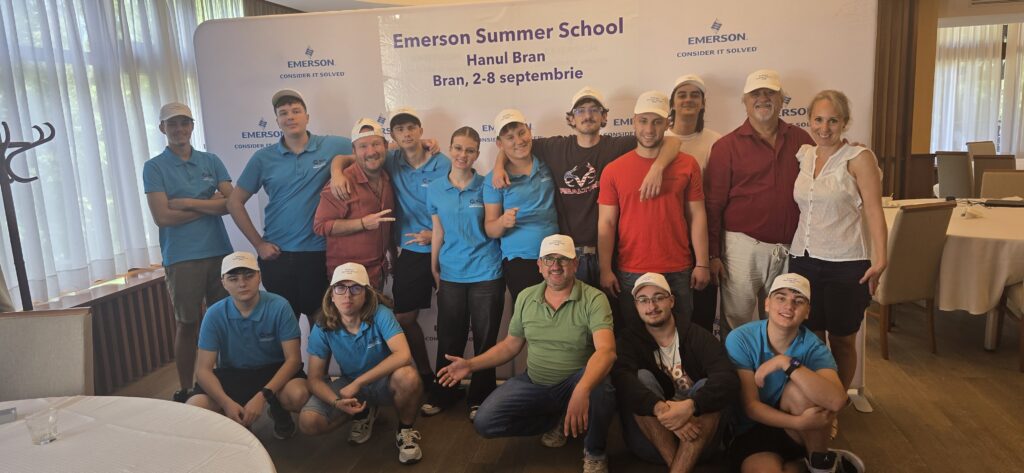
1.”Win As Much As You Can!” But who has to win?
One of the Emerson Summer School 2026 workshops challenged our young participants to engage in a seemingly simple game—”Win as Much as You Can!”—led by Tibi Borza (co-founder of Adaptive Skills Lab) and senior trainer Bogdan Popescu.
Divided into teams and faced with a series of choices, the children tried to rack up as many points as possible. However, the outcome of each decision depended not only on their own strategy but also on the choices made by the others. 😊
So, they strategized, negotiated, and took risks; we all shared plenty of laughs and asked lots of questions.
Beyond the fun, the game taught us about trust, cooperation, communication, honoring agreements, and the consequences of our choices; about the allure of immediate gain and how easily trust can be lost; but also about the fact that, when we look beyond individual self-interest, we can discover solutions where one person’s gain doesn’t have to mean another’s loss.
2.How well do you know yourself? What about the people around you?
A new workshop as part of the Emerson Summer School 2026—once again led by Tibi Borza and Bogdan Popescu—challenged young participants to take a closer look at themselves and try to better understand others, too. 😊
This time, the session utilized DISC, a model describing four major behavioral dimensions: D – Dominance, I – Influence, S – Steadiness, and C – Conscientiousness. Each of us combines these behavioral tendencies in varying proportions, and the way they manifest shapes our unique style of communicating, reacting, and relating to others.
The young participants discovered why some people tend to be more direct and result-oriented, while others are more sociable and enthusiastic; why some are patient and cooperative, whereas others are analytical, detail-oriented, and focused on accuracy. 😊
They also realized that our differences shouldn’t drive us apart; instead, they should encourage us to seek understanding, enabling us to communicate more effectively, improve our collaboration skills, and ultimately build stronger teams.
After all, no single style is “better” than another. Knowing who we are isn’t enough; we also need to understand the other person—and why they might not think, communicate, or react exactly the way we do.
Thank you, Tibi Borza and Bogdan Popescu, for coming up with two amazing workshops where play, curiosity, and learning came together so beautifully! ❤️