Bogdan Rosca

At The Smart Pneumatics Laboratory, we take pride in our commitment to innovation and precision in the field of pneumatics. Our laboratory is equipped with a diverse range of sensors that play a crucial role in our research and experiments. In this article, we invite you to delve into the fascinating world of pressure sensors, airflow sensors, air temperature sensors, as well as proximity inductive and magnetic sensors that form the backbone of our experiments.
Aventics AF2
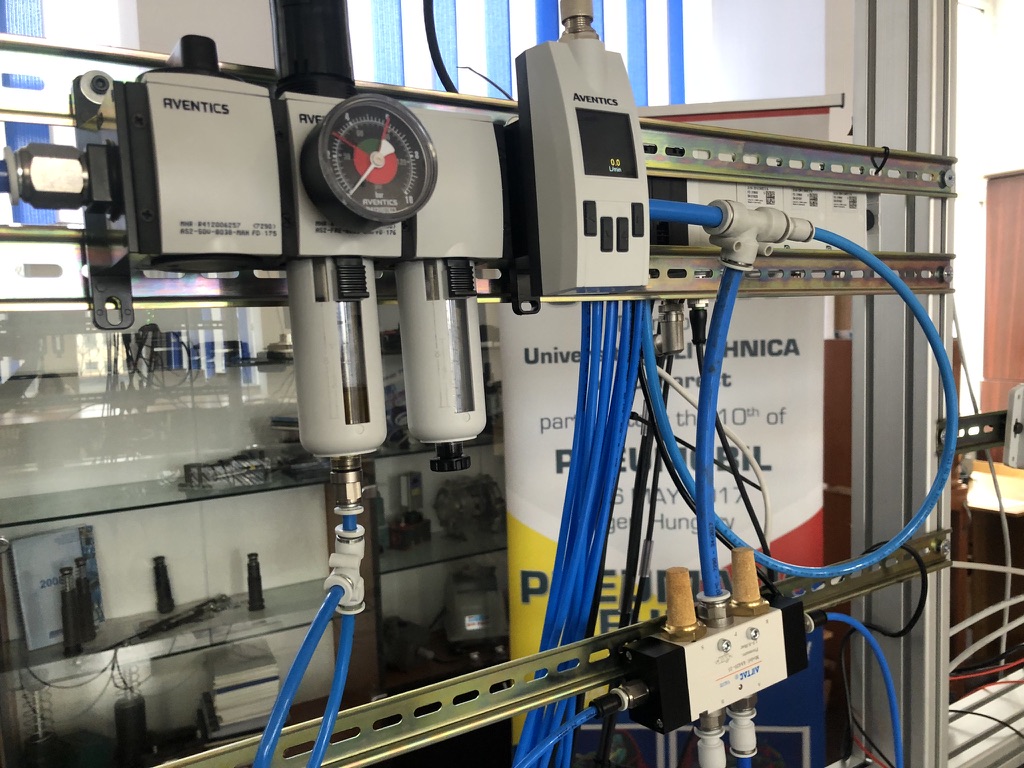
By far our most prized sensor has to be the Aventics AF2. In out configuration using the IO-Link variant it can measure air pressure, air flow and temperature, two at a time. In most of our configurations it is placed right after the air preparation Aventics AS5 unit.
Our biggest project we used it in was to measure the energy of the compressed air entering the system to find out different configurations of pneumatic systems to improve energy efficiency.
Configuration manual: https://www.emerson.com/documents/automation/operating-instructions-flow-rate-sensor-series-af2-aventics-en-6899510.pdf
Aventics PE5
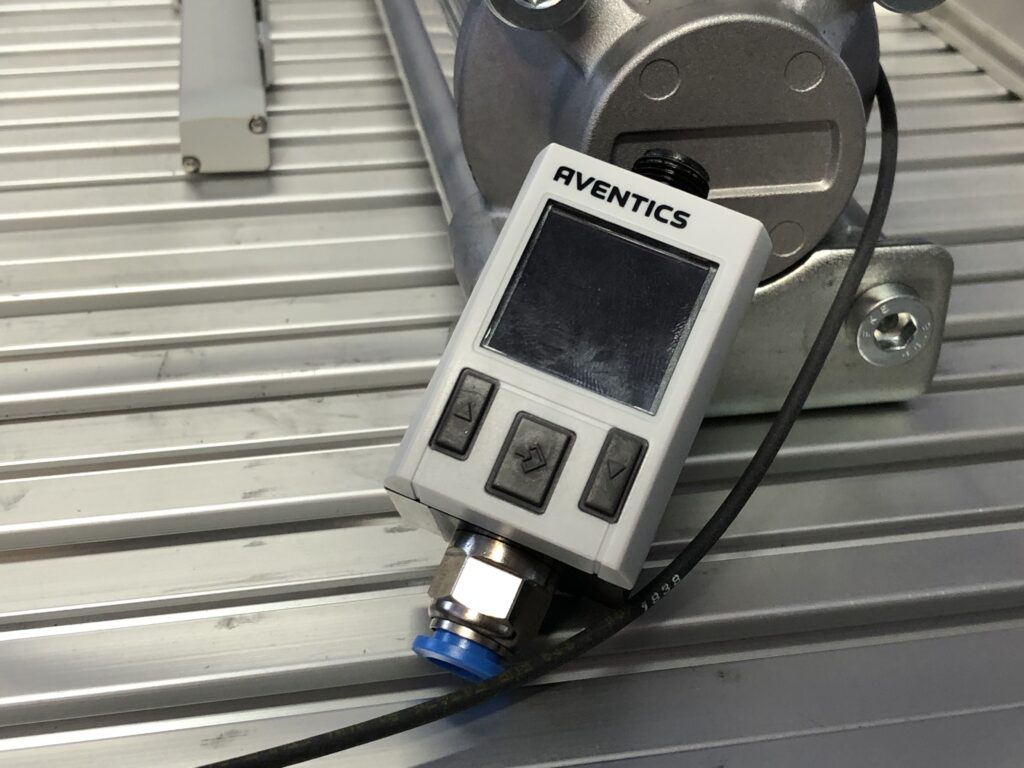
This inexpensive and versatile pressure sensor can be placed anywhere in the pneumatic system to monitor air pressure. It connects using the same IO-Link cable like other sensors.
The biggest project it was used on it served the purpose to see the pressure drop at different points in different configurations of the same system to find the system with the highest efficiency.
Configuration manual: https://www.emerson.com/documents/automation/instruction-manual-pressure-sensor-pe5-aventics-en-6892998.pdf
Aventics SM6
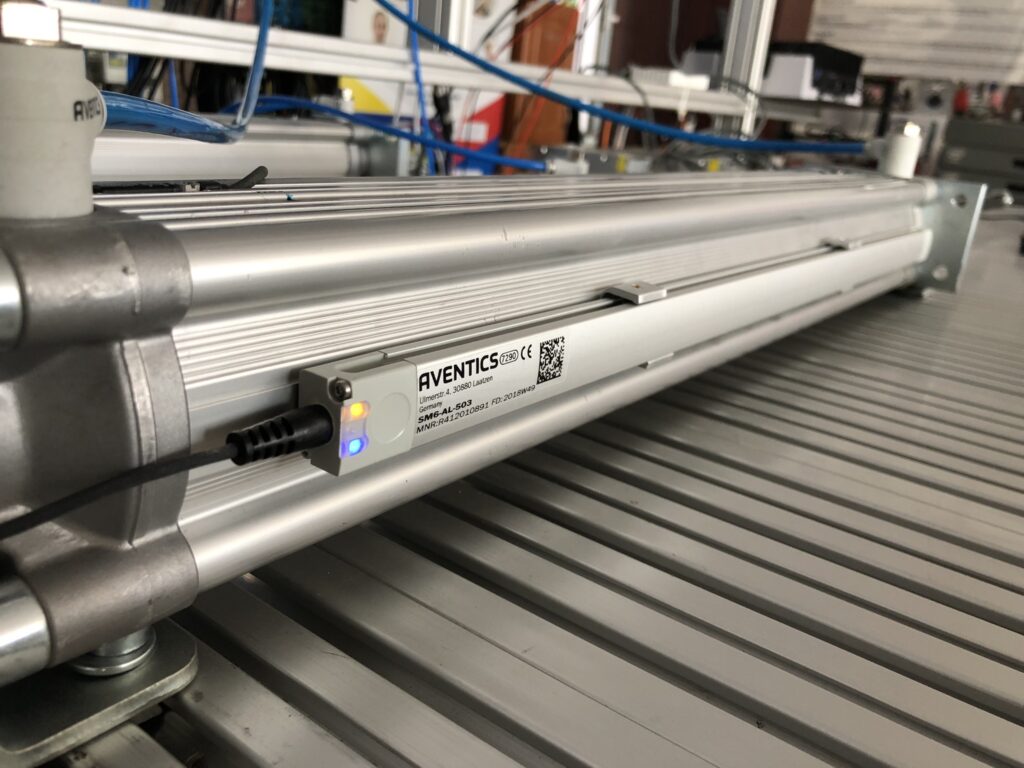
This is a linear sensor that is placed on the side of Aventics PRA Pneumatic Cylinder and it outputs exact position within a 2^15 accuracy range (from 0 to 32767). They are custom selected for the different length of cylinders. We have one 500mm and three 320mm such linear senors.
The biggest project they were used on was to explore the variations in acceleration of cylinders using different configurations. The sensor gave us the exact distance the rod has traveled in a time frame and using the second derivative we could find out the change in acceleration of the rod. Obviously a smoother extension/retraction with close to zero acceleration is ideal.
Configuration manual: https://www.emerson.com/documents/automation/instruction-manual-distance-measuring-sensor-series-sm6-aventics-en-6896734.pdf
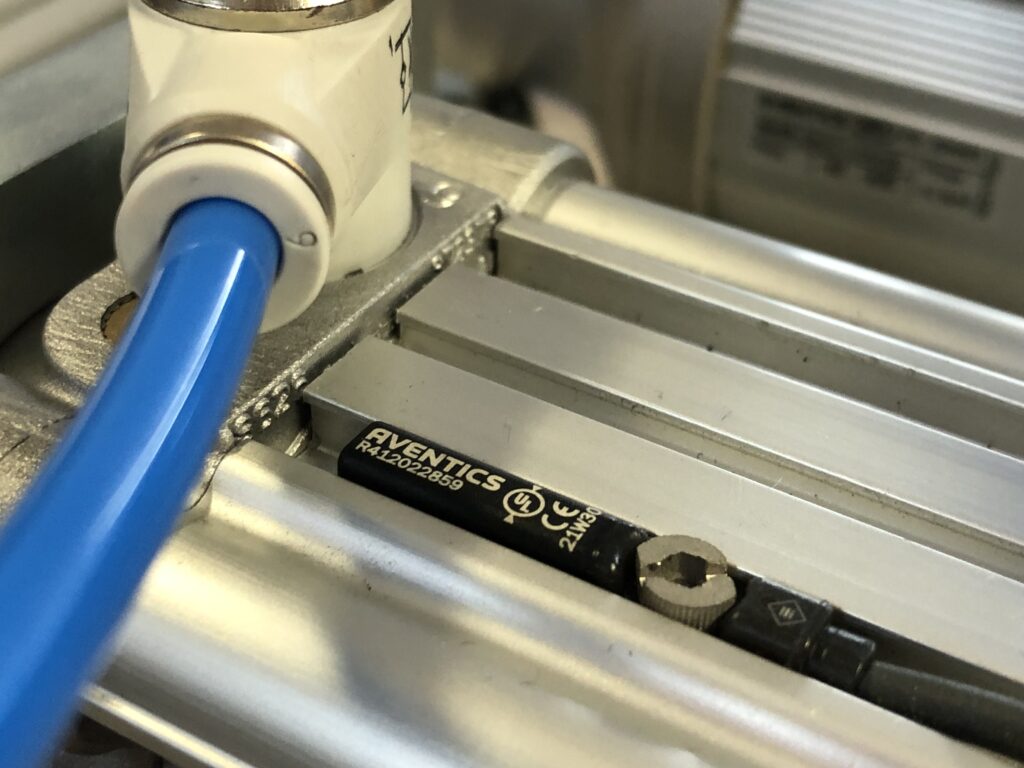
Aventics ST6
The Aventics ST6 magnetic sensor is a proximity sensor purpose made to attach to Aventics PRA Pneumatic Cylinder to check the position of the inner magnetic rod. Unlike the other sensors, this one is digital and it is really easy to install.
This sensor has been crucial to first of all drive the cylinder back and fourth. Two of the them are placed at each end of the Cylinder to switch the valves to extend the cylinder or retract it.
In IIoT these sensors are a really simple and inexpensive (monetarily and easy to calculate) solution to find the extension and retraction speed of the cylinder.
Configuration manual: https://www.emerson.com/documents/automation/operating-instructions-sensor-atex-certified-st6-aventics-en-7553694.pdf
…

We recently doubled the number of screens at our pneumatic experimental workstation and it has more than doubled our productivity.
Before we had to switch between our three programs (Grafana, NodeRED and Machine Edition) along side mountains of documentations whenever we wanted to make a change or see the effect of our changes. Usually that wouldn’t be a problem because split screening has been a basic feature of windows for the last two decades.
The problem arises when we want to analyze multiple things at once or we are setting up for a new analysis project. Switching between multiple programs can cause windows to break the organization that is originally set up. Another problem is window scaling. Two apps can work on the same monitor but some things are hidden and makes it annoying having to always full screen an app just to access a simple button.
Using multiple monitors enabled us to dedicate one app to a single screen. On our second monitor we just leave Grafana or a document on at all times and it has been fantastic. On the main monitor we still fight for screen space but it is still much better. Usually programming a new analysis requires only one app at a time anyways.
As Paul Krugman would say “productivity isn’t everything, but, in the long run, it is almost everything”. That being said, let’s see how multiple monitors improved our productivity.
- Enhanced Multitasking: With two monitors at my disposal, I found myself effortlessly juggling multiple tasks simultaneously. Whether cross-referencing data, writing reports, or analyzing results, the ability to view different applications side by side has streamlined our workflow and allowed for a seamless transition between various research-related activities.
- Increased Screen Real Estate: The expanded screen real estate provided by the second monitor has been a game-changer. Complex datasets and intricate graphs that once required constant zooming and scrolling are now visible in their entirety. This has not only accelerated data analysis but also reduced eye strain, contributing to a more comfortable and efficient work environment.
- Facilitated Collaboration: Collaboration is at the heart of scientific research. The addition of a second monitor has facilitated collaborative efforts within our team. Whether working on joint projects or sharing findings during team meetings, the ability to display information on one screen while keeping reference materials on another has fostered better communication and idea exchange.
- Improved Research Document Management: Managing numerous research documents and literature is an integral part of scientific work. The second monitor has allowed me to keep reference materials open and accessible while simultaneously drafting reports or conducting experiments on the primary screen. This has significantly reduced the time spent searching for relevant information and improved overall document organization.
- Efficient Data Visualization: In scientific research, visualizing data is crucial for drawing meaningful conclusions. The dual-monitor setup has allowed me to compare and contrast different data sets in real-time, leading to more insightful observations and faster decision-making. Whether working with complex detailed graphs, the enhanced visual clarity has been instrumental in our research processes.
Conclusion: In conclusion, the integration of a second monitor into our laboratory workstation has undeniably elevated our efficiency and productivity. From improved multitasking to streamlined collaboration and enhanced data visualization, the benefits are evident across various aspects of our scientific work. As we continue to embrace technological advancements, it is clear that the dual-monitor setup has become an indispensable tool for researchers striving to push the boundaries of scientific knowledge.…

Software engineering student.
He is passionate about systems and constantly trying to improve and increase the productivity of everything surrounding him.
…

Electronics-Software Engineering Student
With previous experience in media she helps us improve our image and makes our public appearances just that much better. …

Robotics Engineering Student.
Uses his experience from previous teams he was in to help finish projects in the lab. Perfect right hand man for most of the jobs around here.…

Our Christmas meeting commenced in a cheerful manner, full of laughter, ideas, and resolutions for the coming year.✨
The UPBAIR team extends heartfelt wishes for a joyous Christmas!🎄❤️
Stay tuned to witness our progress!📈🤍


Robotics Engineering Student.
He is passionate about cars and different manufacturing processes.
Currently he is in charge of tuning and maintaining the 3D printers in the laboratory.
Personal Research Activity
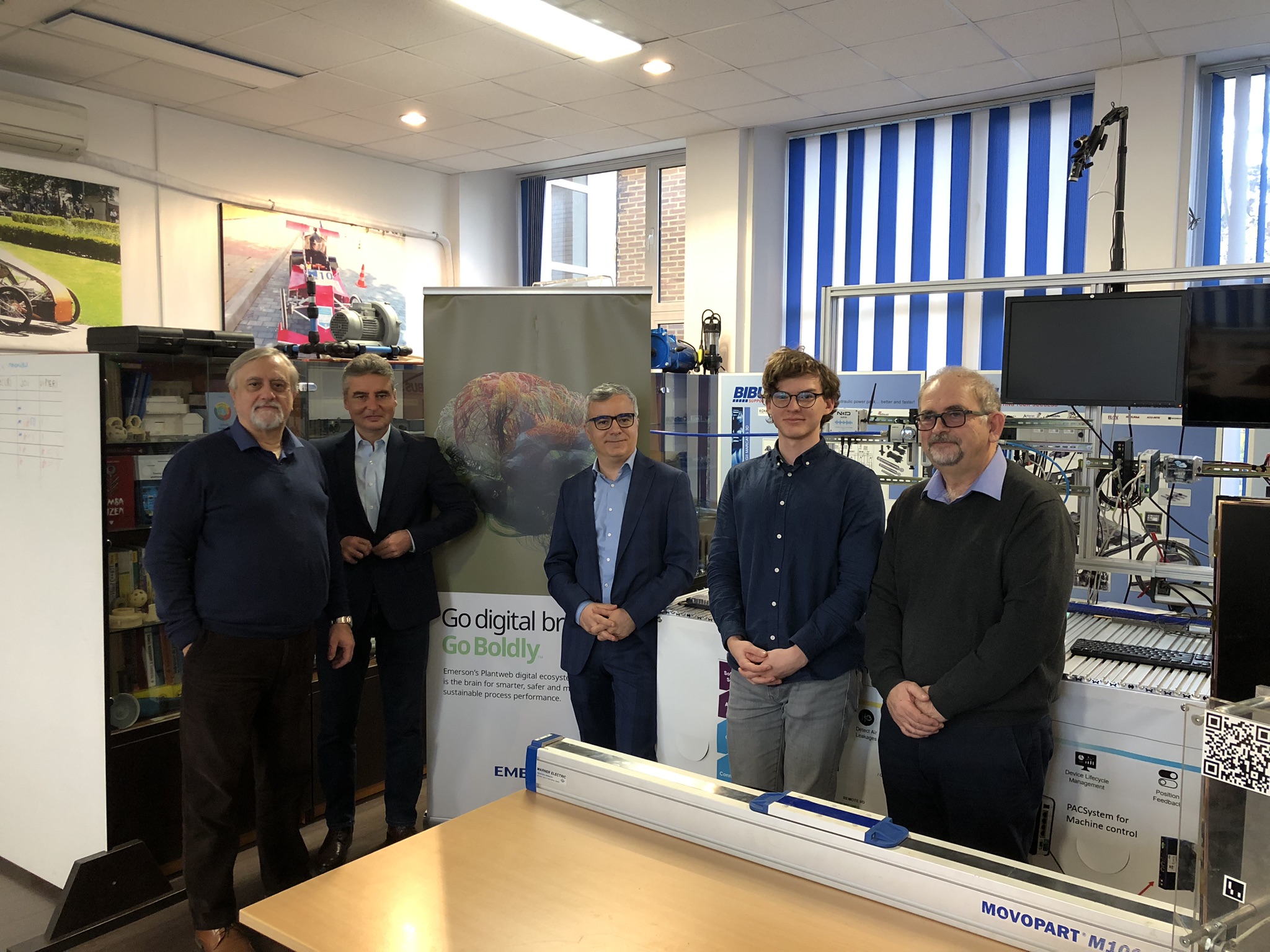
On December 7, 2023 at the headquarters of the SPL laboratory there was a working meeting between the SPL team, represented by the laboratory manager, Mihai Ghinea and the coordinator of the UPBAIR student team, Bogdan Rosca, the technical director of Robomatic Bucharest Process Control Bucharest, Mr. Anghel Enache and the management of Emerson Romania, represented by General Director Sebastian Ferecus and engineer Alexandrul Atanasescu. It was discussed how the triangular collaboration in the field of intelligent pneumatics materialized in the last two years, and above all, some collaboration ideas were established to be put into practice in the year 2024.…
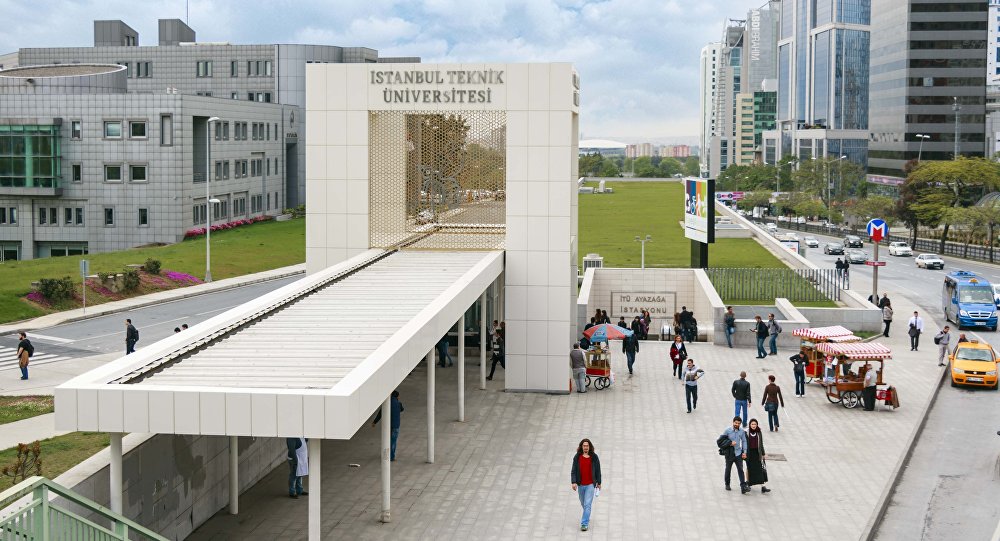
During 30 Oct – 1 Nov, from the UNSTPB, a delegation consisting of Bogdan Rosca, Niculescu Alex Cosmin, Stoica Vadim and Stefan Mihnea at the ITU headquarters in view of the discussions within WP5. Since in the period 2023-2027 UNSTPB will lead WP4 – European Campus together with PSL Paris, the interest of the meeting focused more on the presentation of the BeeNOME platform made by ITU. The platform will have to be integrated by the IT team of UNSTPB in the general platform of the EELISA alliance, which is why all the components of the platform created by the Turkish colleagues have been detailed.
Going into this meeting we were expecting to recieve a presentation about the BeeNOME platform. The website created by the stuff at Istanbul Technical Univesity to connect students, professors and corporations into one. The students played the part of fresh new blood wanting to learn and do new things. The professors had access to different tools to help spread their work with everyone on the internet. And the corporations provided the capitalist efficiency to the entire ecosystem, meaning they could either look for students to hire and post bounties with different projects they were willing to finance.
We were greeted by the professors from ITU and brought into their operations room. It was filled with people excited to talk about their work on the BeeNOME project and their future plans with it. We got a sneek peak at their project and got to see the backend and frontend of it.
Even thought the project is this under construction, we are optimisitic it will be a great value to out society as a whole.…

On October 2, 2023, Bucharest hosted the significant EELISA Conference from October 3 to 6—a pivotal event since the alliance’s inception. Attended by notable figures from 12 nations, the conference featured diverse activities and discussions on topics such as the European Commission’s European Universities program, UN Sustainable Development Goals, and the future of academic education in Europe. Importantly, during the Governing and Executive Board sessions, UNSTPB assumed the presidency for the next six months, signifying a leadership phase within EELISA’s strategic objectives. The conference stands as a testament to proactive engagement and the collective pursuit of academic excellence within the dynamic framework of the EELISA alliance.…
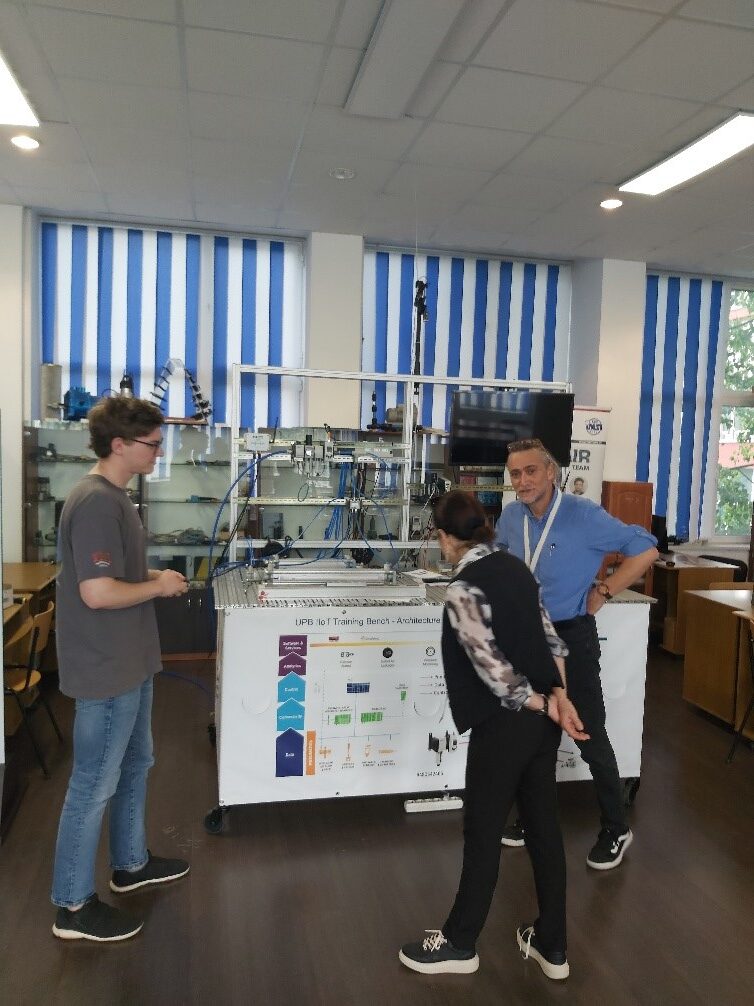
On the occasion of the First EELISA Conference in Bucharest, held in October 2023, a team led by Professor Emrah Acar from Istanbul Technical University (ITU) visited our laboratory at the Faculty of Industrial Engineering and Robotics (Smart Pneumatics Lab). Bogdan Rosca, the leader of ITU’s UPBAIR team, delivered a presentation on the laboratory’s most noteworthy projects and actively participated in discussions aimed at fortifying the professional ties between ITU and UNSTPB, both esteemed members of the EELISA alliance. During the meeting, Professor Emrah Acar and Professor Mihalache Ghinea, the supervisor of SPL, in their capacity as new members of the SEFI Board of Directors, deliberated on prospective initiatives to advance the collaborative efforts between the two institutions. These discussions took into account the shared engagement within this globally esteemed engineering society.…

Laboratory Director Mihalache Ghinea represented UNSTPB at the annual SEFI Conference (European Society for Engineering Education) held in Dublin on September 10, 2023. During this notable occasion, the SEFI Executive Board convened to announce the appointment of new members to the SEFI Board of Directors for the ensuing 2 and 3 years. With the election of Mihalache Ghinea from UNSTPB and Emrah Acar (Istanbul University of Technology), it is discerned that a lasting and operational connection has been established between SEFI and the EELISA alliance. Furthermore, at this distinguished event, the investiture of the new SEFI president was disclosed, with Balazs Nagy Vince (Budapest BME) assuming the role of the new Chairman of the EELISA Executive Board effective from November 1, 2023.


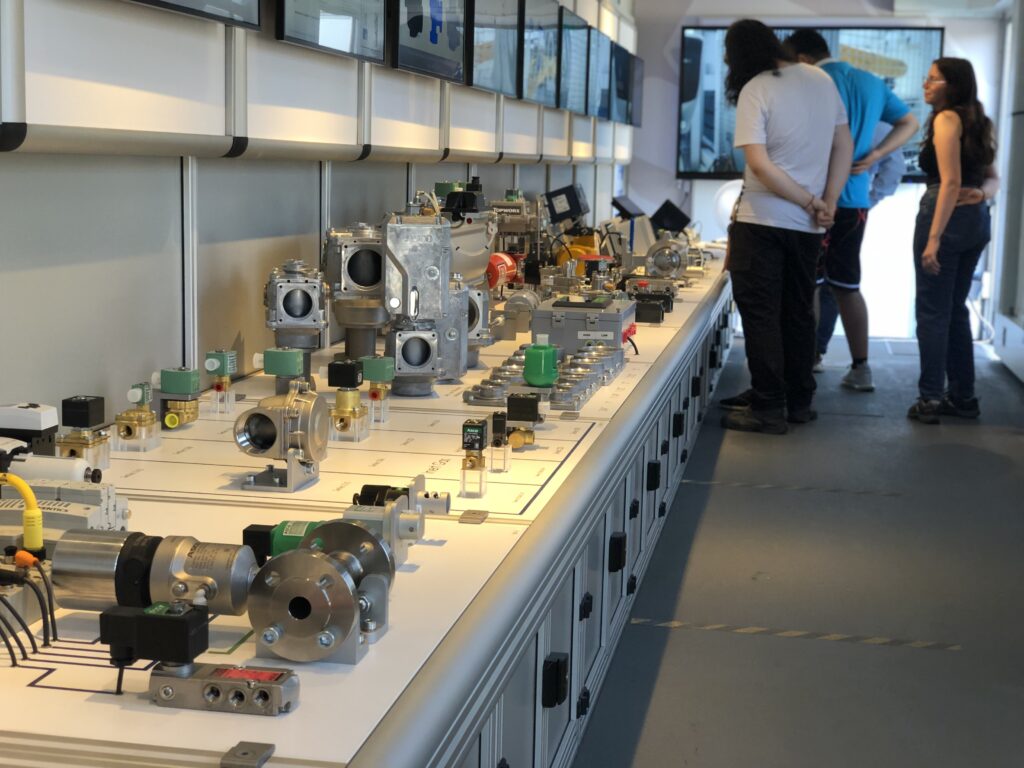
Emerson has met the demands of today’s challenging environment by offering you the opportunity to connect with our innovative products and industry experts at our unique roadshow. This mobile resource of innovation provides dynamic demonstrations of the latest product advancements in digital transformation, machine automation systems, and fluid control solutions. At the beginning of July 2023, this exhibition on wheels will be hosted by Smart Pneumatics Lab, a research laboratory belonging to the Department of Robots and Manufacturing Systems (The Faculty of Industrial Engineering and Robotics, National University of Science and Technology POLITEHNICA Bucharest)

From March 12 to March 19 2023, a group of international students participated in a BIP (Blended Intensive Programme) course on Virtual Reality (VR) at the Athens Network camp. The course, organized by AVRENG, focused on the AVRENG Lab’s pillar of Augmented and Virtual Reality, which is a vital component of the Fourth Industrial Revolution.
The ATHENS Network, established in 1997, is a collaborative effort among 14 European technological universities and nine ParisTech Graduate Schools of Engineering. Its primary objective is to facilitate the exchange of students, teachers, and researchers from prominent European technological universities and jointly participate in European technological development and training programs.
One of the network’s noteworthy initiatives is the ATHENS week, an intensive program of coursework taught at each member institution during November and March. In addition to the traditional ATHENS courses, the network introduced the BIP, a blended program that combines the ATHENS course during the ATHENS week with an online component before or after the session.
For the participating students, completing a BIP entailed earning a minimum of 3 ECTS (European Credit Transfer and Accumulation System) and receiving a daily allowance of 70 € for on-site participation. There was an additional incentive of 50 € for “green traveling,” promoting sustainable transportation options. Students were advised to consult their home university’s local coordinator for further details before applying.
The AVRENG Lab, dedicated to the advancement of Augmented and Virtual Reality, specializes in academic and industrial connections, research infrastructure development, and specialized staff training. Five years ago, the lab initiated a master’s program called Educational Techniques in Virtual Environments, offering courses on LSM platforms and Augmented Reality used in e-learning platforms. During this period, the lab published several scientific papers and books, marking the emergence of A&VR activities in their faculty.
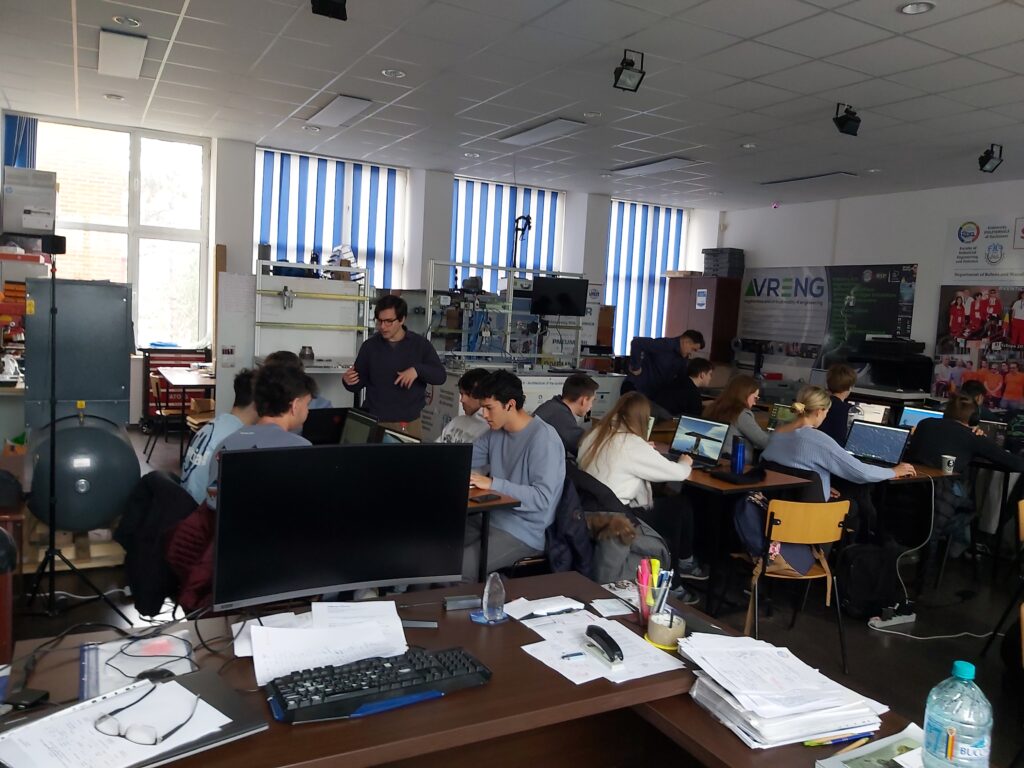
Under the leadership of AVRENG, the lab has been actively selecting students who understand the significance of virtual environments and experiences for industry and manufacturing. They aim to translate the technology from entertainment to the factories of the 21st century.
In pursuit of collaborative opportunities, AVRENG established ties with ENSAM Cluny for a Double Diploma program in 2006. This collaboration provided insights into the activities of the Institute Image in Chalon-sur-Saône, France. In May 2016, a working visit involving key representatives from both institutions took place, resulting in the decision to establish the AVRENG lab, specifically focusing on industrial applications of Augmented and Virtual Reality.
Over the next 2-3 years, AVRENG’s main objectives include integrating the lab into the university strategy, connecting it with national and international applicative research networks, securing funding for infrastructure development, identifying Romanian industries utilizing or planning to implement such technologies, fostering A&VR interest within the faculty’s programs, and establishing a strong partnership with the Institute Image.
AVRENG has already initiated projects involving holographic systems for telepresence and has acquired a virtual immersion system based on Oculus Rift glasses, enabling real research to commence. The collaboration between AVRENG and the Institute Image holds promise for advancing their shared objectives and furthering their respective scientific endeavors.
The participation of international students in the BIP VR course at Athens Network’s camp not only contributes to their academic growth but also fosters collaboration and knowledge exchange in the field of Augmented and Virtual Reality. With the AVRENG Lab’s dedication and the support of the ATHENS Network, the future of A&VR in engineering appears promising, paving the way for innovation and advancements in various industries.
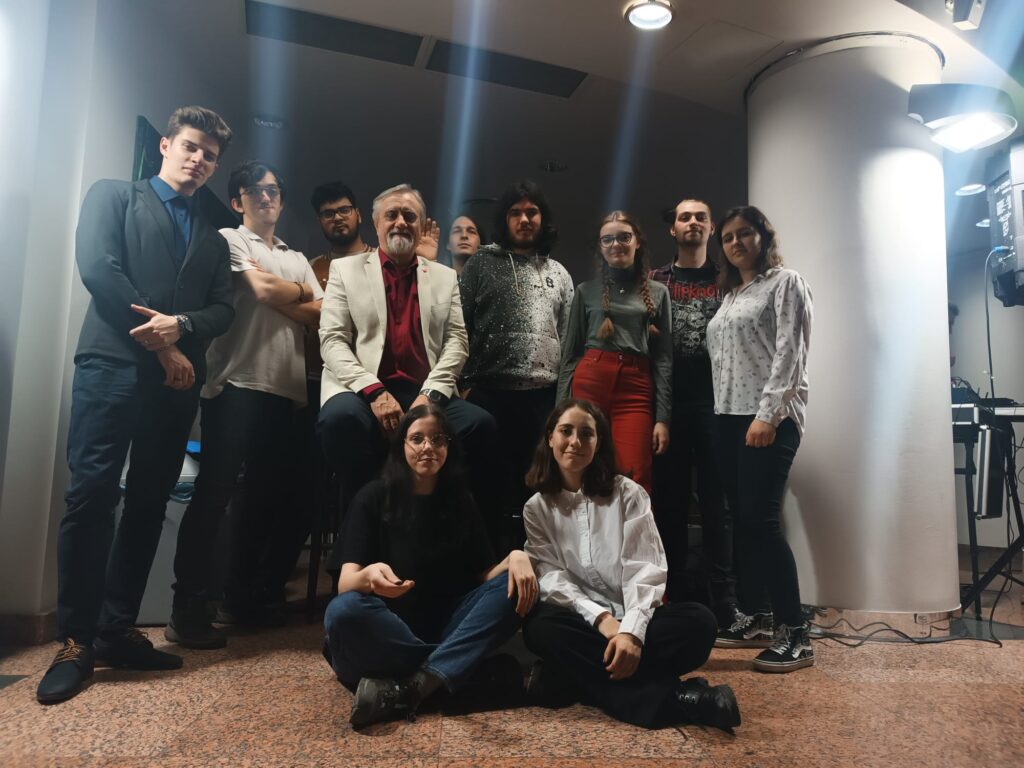

From May 19th to 21st, 2023, the prestigious EELISA Student Scientific Competition took place in Pisa, organized by EELISA (European Engineering Learning Innovation and Science Alliance). The event attracted over 40 teams from the University Politehnica Bucharest, showcasing their innovative projects and research endeavors. Among these teams was our own, presenting our project on ” THE USE OF SMART PNEUMATICS IN THE CONSTRUCTION OF VEHICLES WITH PNEUMATIC ENGINES”
The EELISA Student Scientific Competition is a platform that fosters talent management and offers opportunities for self-education and elite training to nurture the future generation of scientists. It has been a cornerstone of talent development in Hungary for the past 70 years, with the participation of numerous top Hungarian researchers.
This year’s competition was held in conjunction with the 2nd Research-based Learning Symposia, with the aim of establishing collaborative research interests and activities among EELISA partners. The event followed a hybrid format, allowing participants to engage both on-site and online.
Our team joined the competition with great enthusiasm, presenting our groundbreaking project that focused on the application of intelligent pneumatics in the construction of engines for vehicles powered by compressed air. Our research delved deep into this field, exploring innovative techniques and addressing professional questions related to this technology.
The benefits of participating in the EELISA Student Scientific Competition are manifold. Firstly, it provided us with the opportunity to write a research paper akin to those published in the Scientific Student Associations movement. Moreover, it allowed us to delve deeper into our specific area of study, enabling us to gain a comprehensive understanding of the subject matter.
To participate in the EELISA Student Scientific Competition, we were required to submit a research report spanning 20 to 60 pages, prepared with the guidance of experienced supervisors. These reports underwent thorough evaluation by two reviewers before the event, ensuring the quality and rigor of our work.
At the symposia, each team delivered a 10-minute presentation, followed by a scientific discussion, in sessions dedicated to their respective fields of expertise. These presentations were evaluated based on the established rules of the Hungarian TDK and OTDK conferences.
Our team’s participation in the EELISA Student Scientific Competition has been an invaluable experience, allowing us to showcase our innovative research and collaborate with fellow scholars. We are immensely proud to have represented our university and contributed to the advancement of scientific knowledge in our field…

We are delighted to announce that our team participated in the prestigious scientific session at Productica 2023, held on May 12-13, 2023. The event was organized by the Polytechnic University of Bucharest and the Municipality of Mioveni, in collaboration with the Academy of Romanian Scientists and the INCERTRANS SA Institute of Transport Research.
Productica 2023 marked its fifteenth edition since its inception in 2009 by the Center for Creativity Development, affiliated with the Academy of Romanian Scientists. The session aimed to showcase the latest scientific advancements from universities, research institutes, and companies. The conference included several sections, namely:
Innovative Products and Technologies
Advanced Materials for Human and Environmental Protection
Innovation based on Smart Development Strategies
Business Environment Development – dedicated section for companies
Our team presented a remarkable project titled “THE USE OF SMART PNEUMATICS IN THE CONSTRUCTION OF VEHICLES WITH PNEUMATIC ENGINES” The project focused on exploring the potential of intelligent pneumatic systems in engine construction for vehicles powered by compressed air. Our research highlighted the advantages of this innovative approach, such as improved energy efficiency, reduced environmental impact, and enhanced performance.
We would like to express our gratitude to the organizing committee of Productica 2023 for providing us with this invaluable opportunity to present our research and contribute to the advancement of science and technology. Our participation in this session has not only expanded our knowledge but also fostered collaborations and exchanges with experts from various fields…
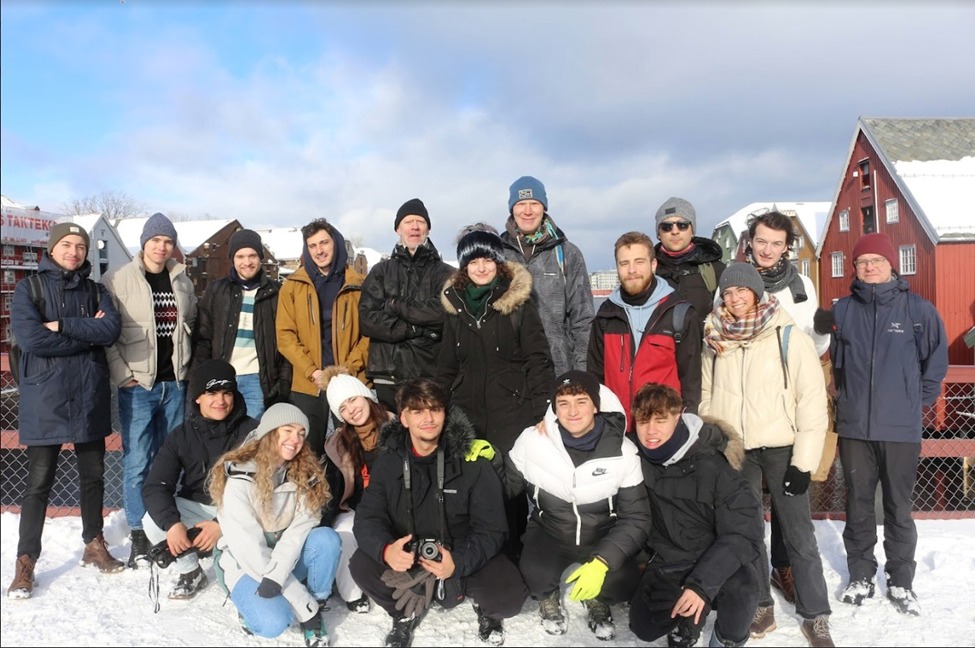
Embarking on a transformative journey, three students from Politehnica University of Bucharest had the incredible opportunity to participate in the Blended Intensive Programmes mobility at the prestigious Norwegian University of Science and Technology (NTNU). As part of the Athens Week, this once-in-a-lifetime experience allowed them to delve into the realm of sustainable hydropower development. Guided by exceptional professors, they engaged in a range of activities, including hands-on experiments, research, and exploration of cutting-edge technologies. Let’s dive into their remarkable week and the impact it had on their academic and personal growth. The collaboration between Politehnica University of Bucharest and NTNU provided a platform for academic enrichment and international collaboration. This Blended Intensive Programmes mobility offered our students an immersive experience, combining theoretical knowledge with practical application. Their one-week journey was filled with eye-opening activities and encounters that expanded their understanding of sustainable hydropower development. During their time at NTNU, our students were immersed in the world of complex calculations and data analysis. They had the unique opportunity to collect samples from a local mountain and apply computational techniques to determine the potential power generation from the hydropower resources available. This hands-on experience gave them a profound understanding of the intricacies involved in harnessing sustainable energy from natural sources. At NTNU, our students were granted access to state-of-the-art laboratories showcasing the latest prototypes in sustainable hydropower technology. They witnessed firsthand the innovative solutions being developed for future hydropower projects. Exploring these advanced prototypes not only expanded their knowledge but also fueled their imagination, inspiring them to contribute to the future of clean energy. As part of their enriching experience, our students had exclusive access to an advanced meteorological station. This opportunity allowed them to collect vital environmental data, including weather patterns, precipitation levels, and other relevant metrics. By understanding the intricate relationship between the environment and hydropower generation, they gained a holistic perspective on sustainable development. The partnership between Politehnica University of Bucharest and NTNU proved to be highly successful, fostering collaboration, knowledge exchange, and personal growth. This transformative experience not only strengthened their academic foundation but also nurtured lasting connections with professors and students from diverse backgrounds. The possibilities for future collaborations are endless, as both institutions strive for continued advancement in the field of sustainable energy.
The Blended Intensive Programmes mobility at NTNU was a remarkable journey that left an indelible mark on the lives of three students from Politehnica University of Bucharest. Through their participation in the Athens Week, they were immersed in the world of sustainable hydropower development, gaining invaluable knowledge and hands-on experience. Their exposure to cutting-edge technologies, computational calculations, and environmental data collection fueled their passion for clean energy and solidified their commitment to a sustainable future. The successful partnership between the two universities serves as a testament to the power of international collaboration and the limitless possibilities it holds for future generations of students.…
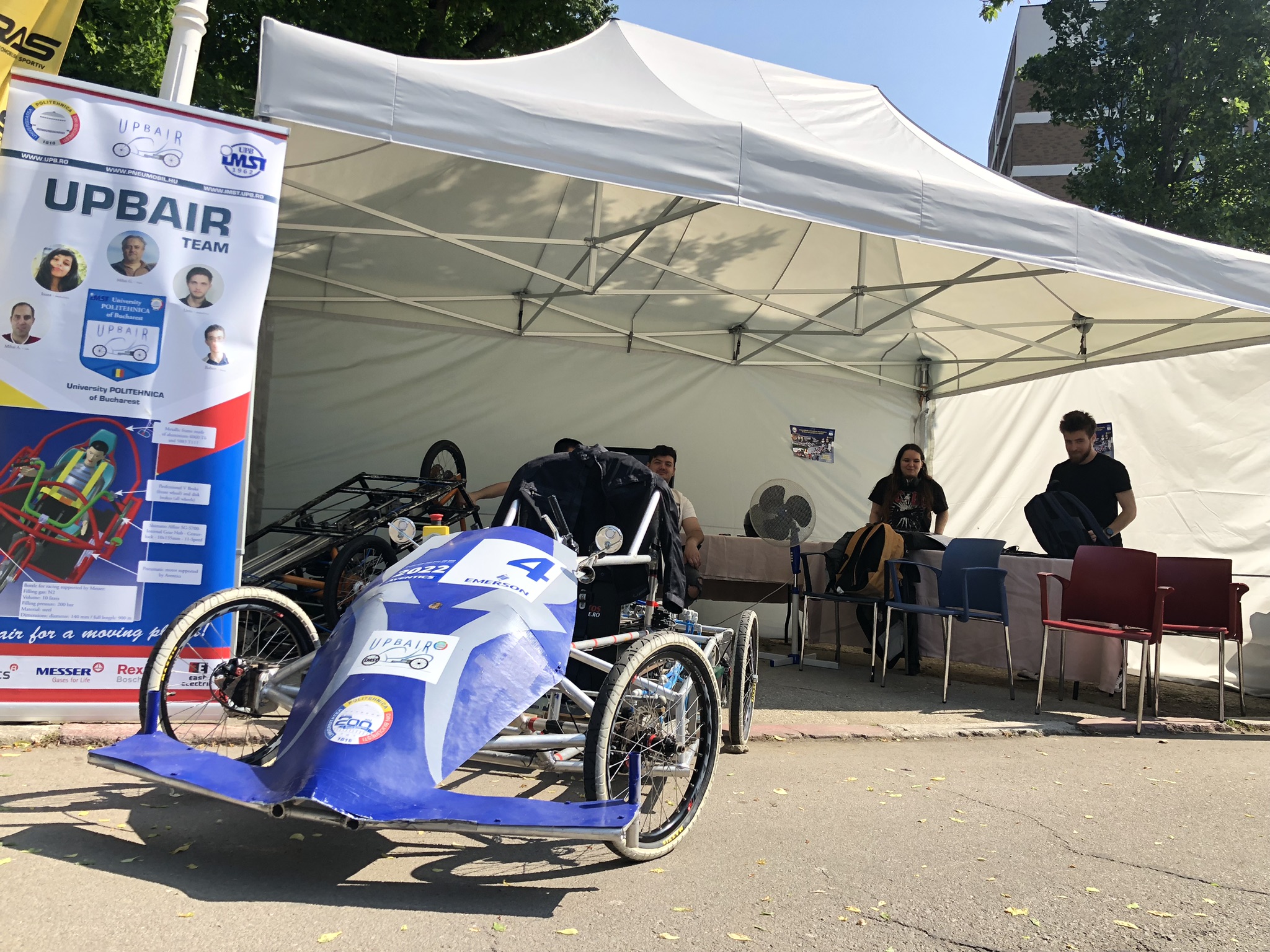
From 19 to 21 May 2023, POLITEHNICA University of Bucharest organized the second edition of POLI AutoFEST, one of the largest car exhibitions.
During the event, vehicle lovers experienced a unique encounter between the past and the future, having the opportunity to travel through the wonderful world of the automobile, looking towards tomorrow’s transportation. Drifting demonstrations, test-drive sessions and workshops dedicated to topics of interest such as road safety or the car of the future are just some of the activities that POLI AutoFEST has prepared for participants.
At POLI AutoFEST, more than 230 cars were presented, and among the exhibitors was the Țiriac Collection, the gallery of exclusive cars belonging to businessman Ion Țiriac, Mercedes Benz, Renault and other famous brands. This collection included examples representative of every important decade in automotive history, starting in the 1940s, as well as electric and hybrid models from various brands of commercial vehicles.
UPBAir took part in the event, presenting their cars which caught the attention of the participants due to their innovative concept. The two cars on display represent an interesting combination of technology and manual labour. One of them is the car that was used in the Pneumobile competition in 2022, a competition dedicated to air-powered vehicles. This car was built and optimised by our team to perform in the competition. In addition, we also have the 2019 car, which was restored with great passion and meticulousness by our team members. This vehicle is an eloquent example of how they demonstrated the operation of the pistons through pneumatic actuation. Partners and visitors to the event were attracted by the car’s innovative features and the impact it can have on mobility.
Both cars are the result of the team’s efforts to explore and experiment in engineering. They are tangible evidence of the team’s passion for innovation and dedication to building and improving their cars.…
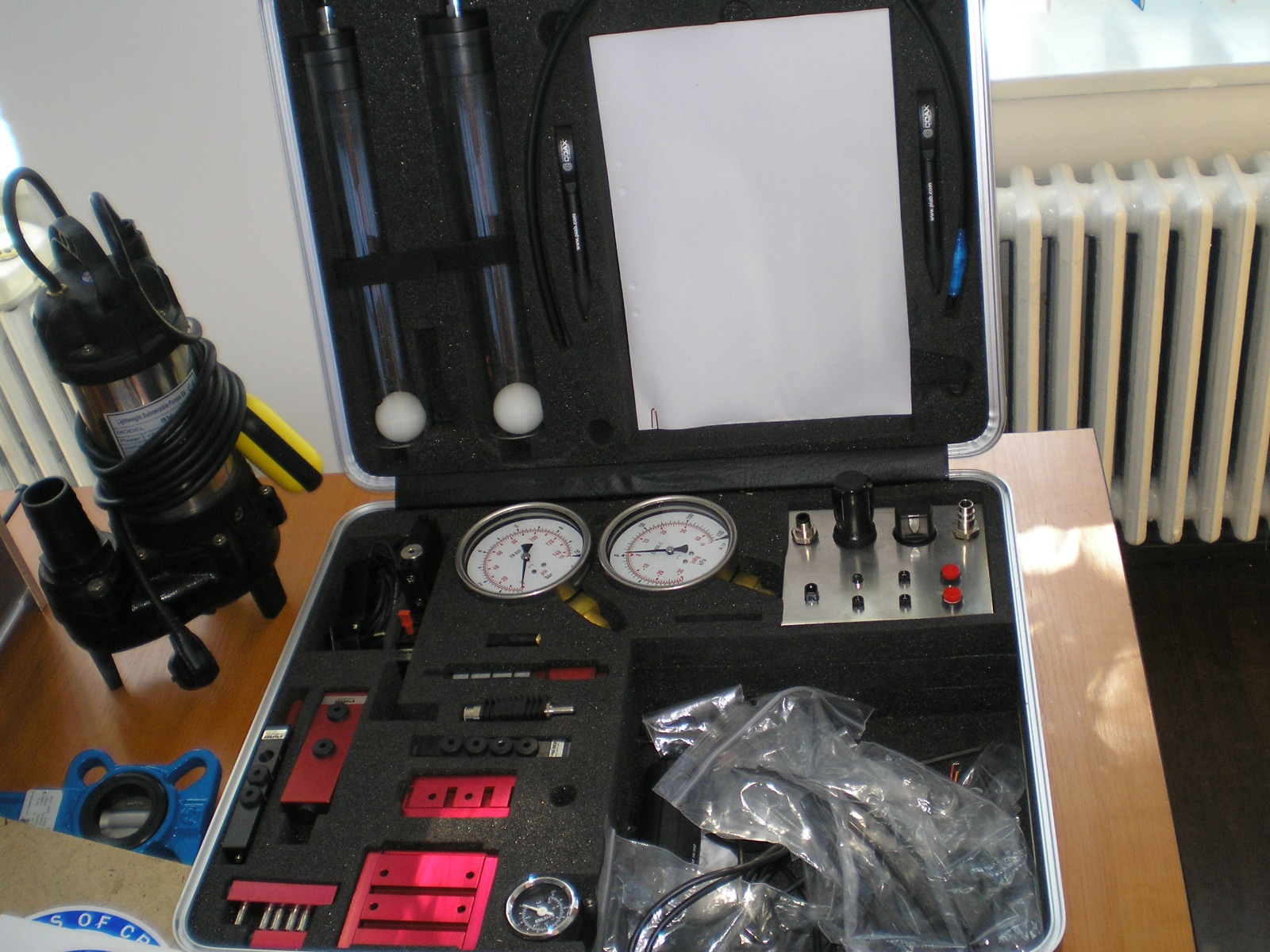
The PIAB Vacuum Kit has proven to be a remarkable solution for industrial vacuum needs. Its powerful suction capabilities and versatile design make it a reliable choice. The kit offers a range of suction cups and accessories, allowing for efficient handling of various materials and objects. Whether it’s lifting heavy loads, gripping delicate items, or handling irregular shapes, the PIAB Vacuum Kit excels.
The adjustable vacuum strength and user-friendly controls provide flexibility and precision in operations. With its durable construction and reliable performance, this vacuum kit has become an indispensable tool for streamlining industrial processes and improving productivity.
- Powerful suction capabilities for efficient handling of materials
- Versatile design with a range of suction cups and accessories
- Adjustable vacuum strength for flexibility and precision
- User-friendly controls for ease of operation
- Durable construction for long-lasting performance
- Reliable grip on heavy loads and delicate items
- Ideal for lifting, gripping, and handling irregular shapes
- Streamlines industrial processes and enhances productivity

A Pneumatic Technical Stand is a flexible platform used for testing and developing pneumatic components and systems. The stand includes a modular design, a variety of actuators and sensors, and pneumatic and electric control systems, allowing for customization and control of testing parameters. The stand is useful for R&D, quality control, and educational purposes, and provides a cost-effective alternative to large-scale test equipment.…